Never from love
14 July 2025Things I learned from the archive
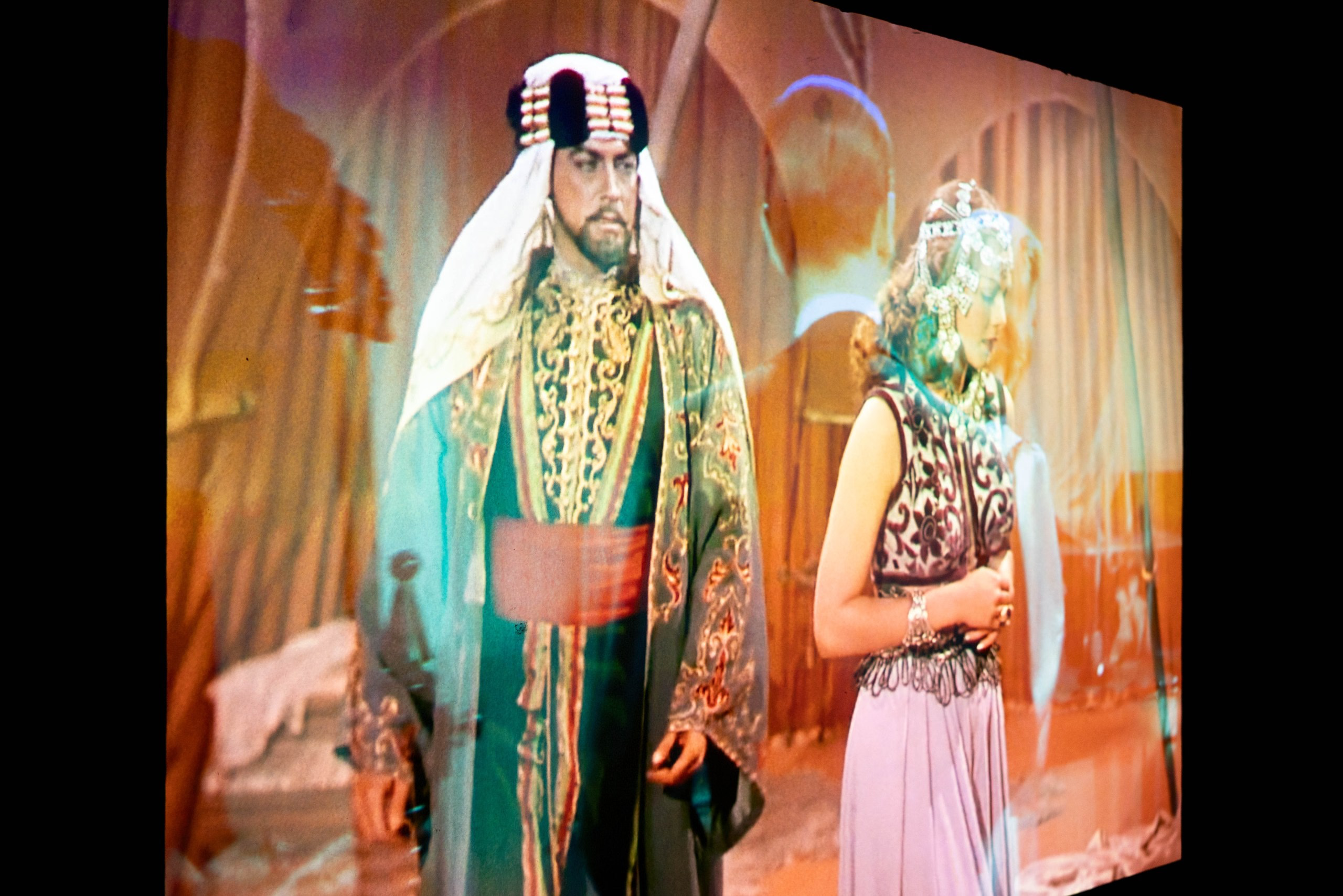
Somewhere in the second year of watching, I wrote a sentence in my notes that I have never used in public: when a man approaches a woman in these films, it is always from a place of dominance or aggression. Never from love, compassion, fragility, remorse or emotion. It is a strong statement coming from an intuition. I wrote it as an observation.
That is not the same as saying the films are hostile to women. Most of the approaches are gentle. A hand on the back, a door held, a woman guided across a room she could have crossed on her own. The staging is protective, and protection is the form control takes when it wants to be liked. When I later found Glick and Fiske's work on benevolent sexism, warmth that keeps women in place, it named what the edit had already isolated, and I am careful to keep the order: the pattern first, the theory after.
The other half of the sentence is what the film does with it. The chase turns to violence and the violence resolves into an embrace, and the embrace is filmed as the reward. The arc of Benevolence is that arc, seen 94 times in fourteen minutes, so that it stops being a story and becomes a shape.
The convention did not end in 1949; the framing that showed it did. The films Benevolence is cut from were staged like theatre, wide shots with both bodies in frame, so the approach is visible as movement, a man crossing a room towards a woman who has nowhere in the frame to go. Cinema today cuts closer. A close-up shows a face, and the movement happens off screen or across an edit out of view.
I know this mostly from the audience. After a screening, people keep telling me the same thing: once you have seen the pattern, you cannot unsee it, and it starts turning up in films from last year.
- WorkBenevolence
- NotesWhat fell out of the archive · All notes