Who sees the pattern
21 September 2026On two years of showing Benevolence. The same work, watched in different ways.
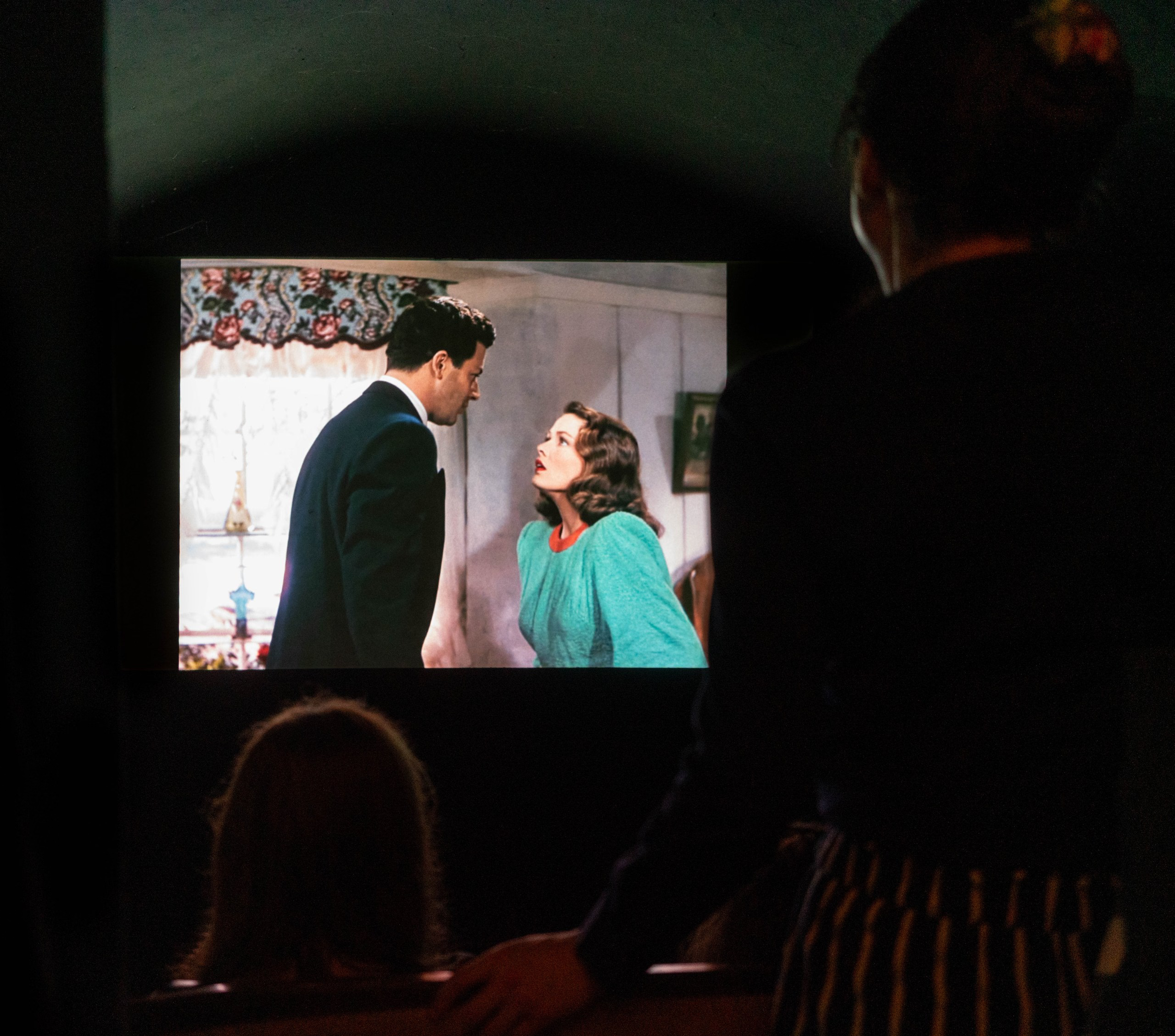
Benevolence has now been shown in a studio, a museum, galleries and festivals, and I have stood in the room often enough to notice something I did not build into the film.
Men tend to watch it as a structure. They see the cut, the seven frames, the matching of one film to the next, and they talk about it afterwards as a method, which it is. Women tend to watch it as an experience. The pattern is not something they discover; it is something they recognise, and the recognition arrives with a weight the formal reading does not carry. More than once someone has stayed until the end and then told me, in very few words, that they had seen this before, not in a cinema.
I would like to say the film is neutral about where you stand, but it is not. It is a choreography of approach, and the two roles in that choreography are not interchangeable. Someone who has been approached in that way reads the film from inside the movement. Someone who has done the approaching reads it from outside, as a pattern, and the pattern is easier to hold at arm's length. I know this from my own side of it: I made student films with this exact staging before I could see it, and I could not see it.
The one viewer who came to the film with instruments rather than experience, Peter Glick, whose research on benevolent sexism the film leans on, wrote to me not about the structure but about fear: that the worry in the women and the menace in the men become palpable. So the two readings are not fixed to anyone. They are two distances from the same movement, and the film's delay, three frames repeated before five new ones, exists to let a viewer move from the first to the second.
Not everyone makes that move. Some viewers, and I notice this more among men, keep the film at the first distance and find it either obvious or opaque. I used to take that as a failure of the edit. I now think it is one of the things the film reveals.